

The MagLab is funded by the National Science Foundation and the State of Florida.
The MagLab is funded by the National Science Foundation and the State of Florida.
June 16, 2026
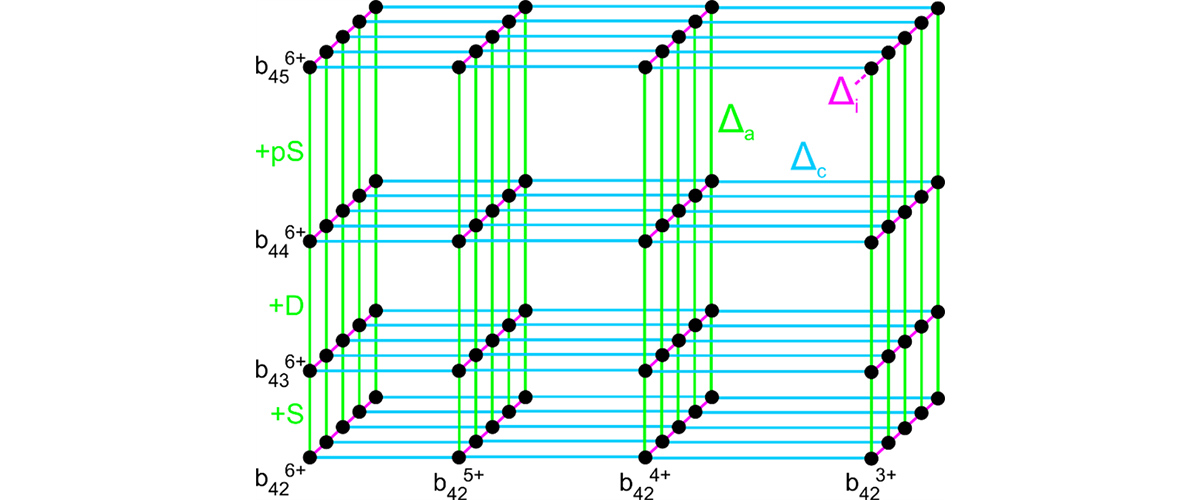
Protein measurements often produce dense, confusing data that are difficult to interpret. By reorganizing this information into connected patterns, re…
February 10, 2026
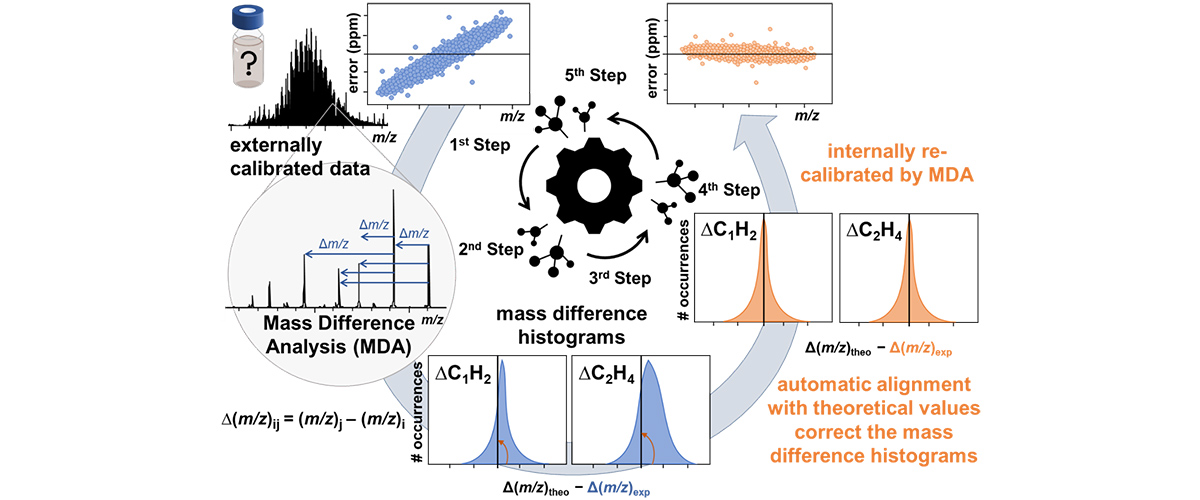
MagLab scientists developed a fully automated method to quickly and accurately calibrate extremely complex mass spectra. The technique compares millio…

November 17, 2025
Scientists need data that’s easy to find, understand, and reuse—both by people and computers. This kind of data is called FAIR, and it’s especially im…

October 14, 2025
Whales don’t just eat krill; they help fuel the ocean by releasing a form of iron that the plants of the sea (phytoplankton) can use. They also releas…
June 13, 2025
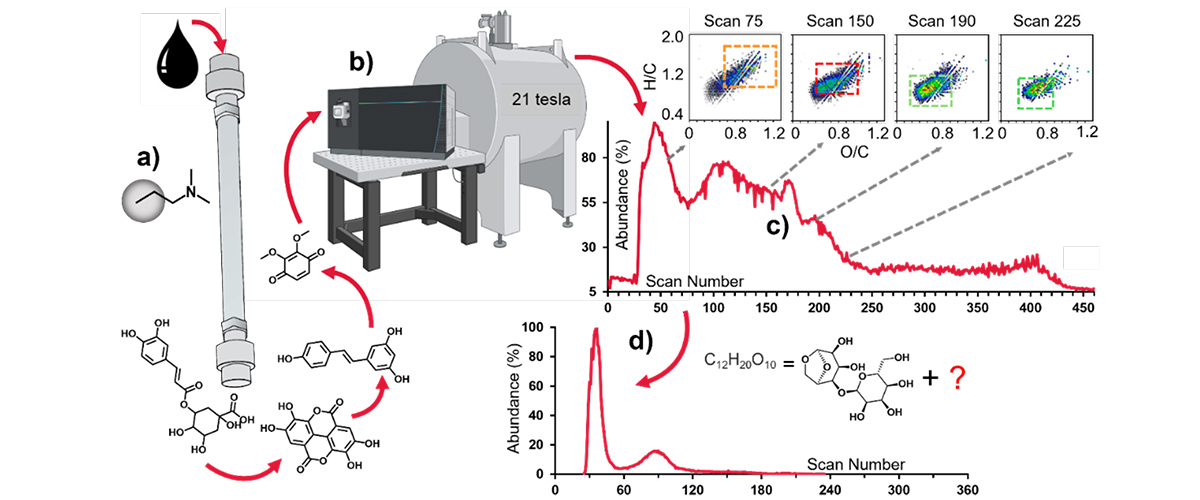
This research introduces a new separation method that is combined with precise mass measurements to identify thousands of previously undetected molecu…
February 12, 2025
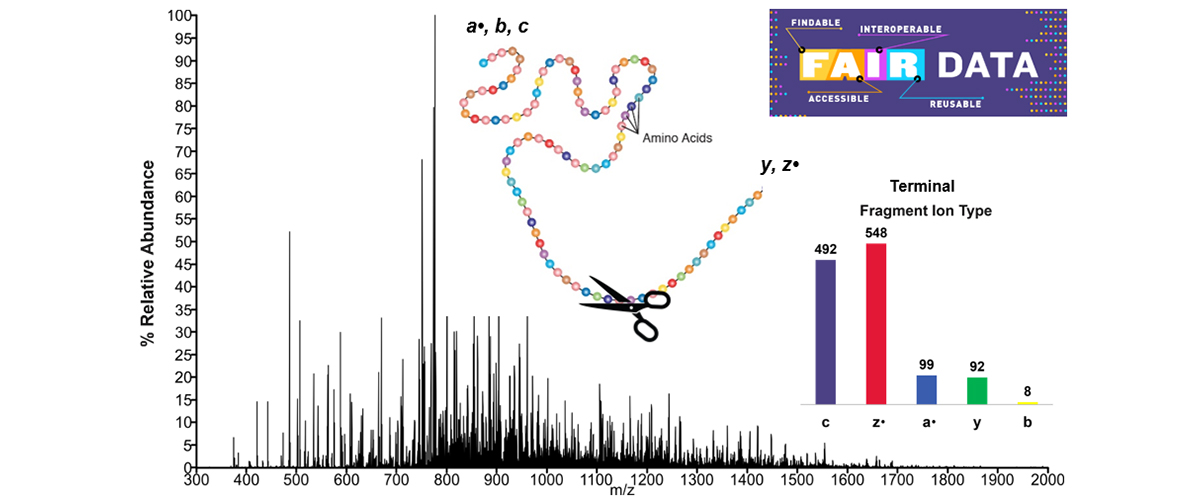
MagLab data collected with the 21 tesla FT-ICR mass spectrometer demonstrate the risk associated with internal fragment annotation in mass spectra of …
November 14, 2024
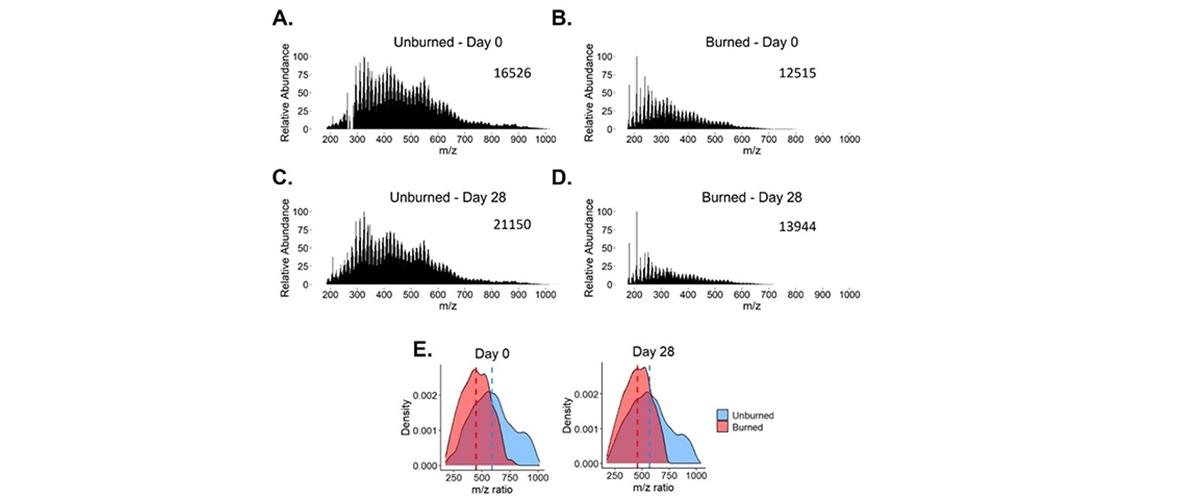
Wildfires change the chemical composition of molecules in soil, and only the 21T FT-ICR mass spectrometer can assess the molecular composition to unde…
July 16, 2024
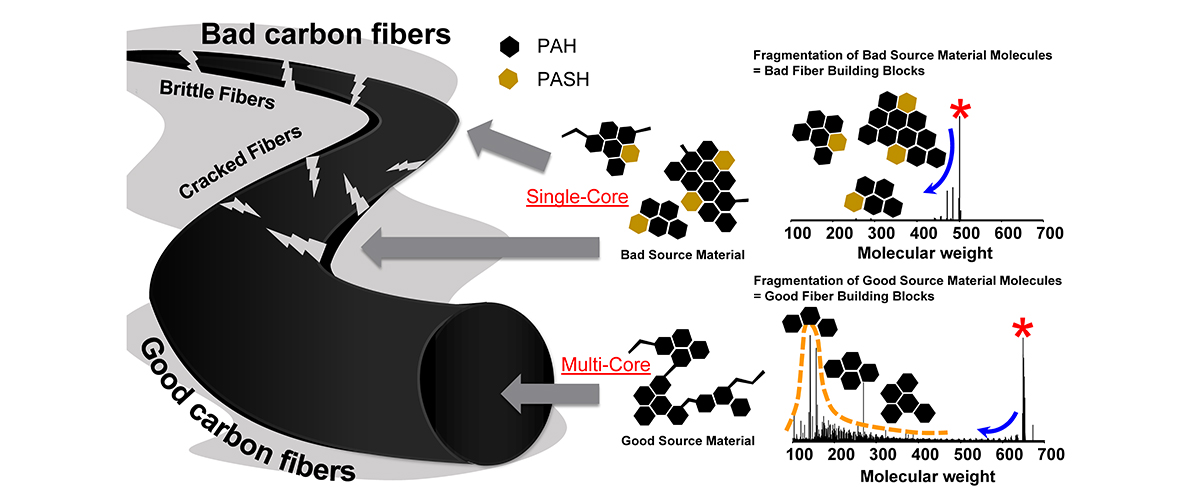
MagLab researchers use 21 tesla ion cyclotron resonance (ICR) mass spectrometry to identify the best way to produce carbon fibers from petroleum waste…
May 15, 2024
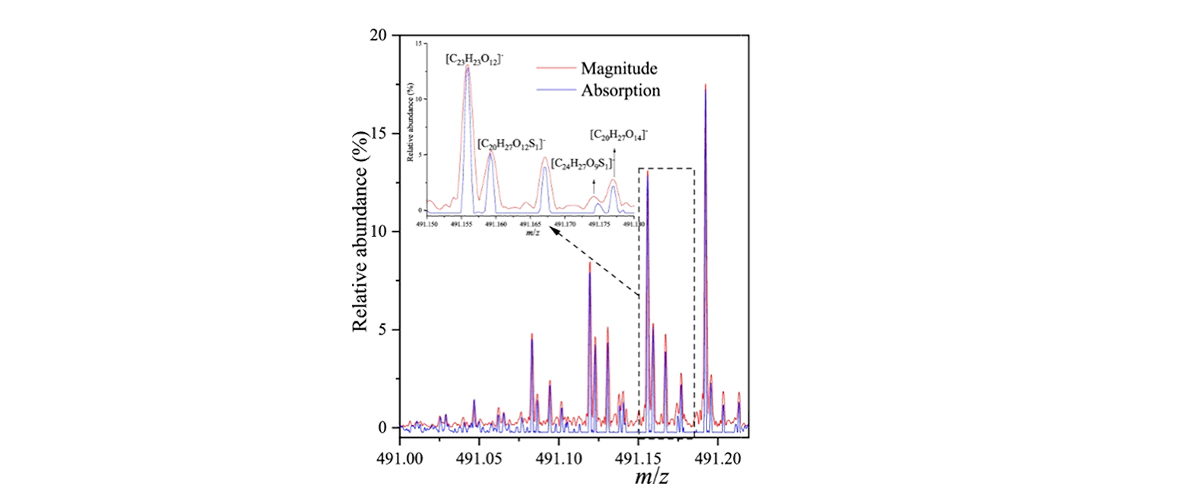
Combining new data with an existing MagLab dataset, researchers characterized the millions of unique chemicals found in our waterways, including both …
March 27, 2024
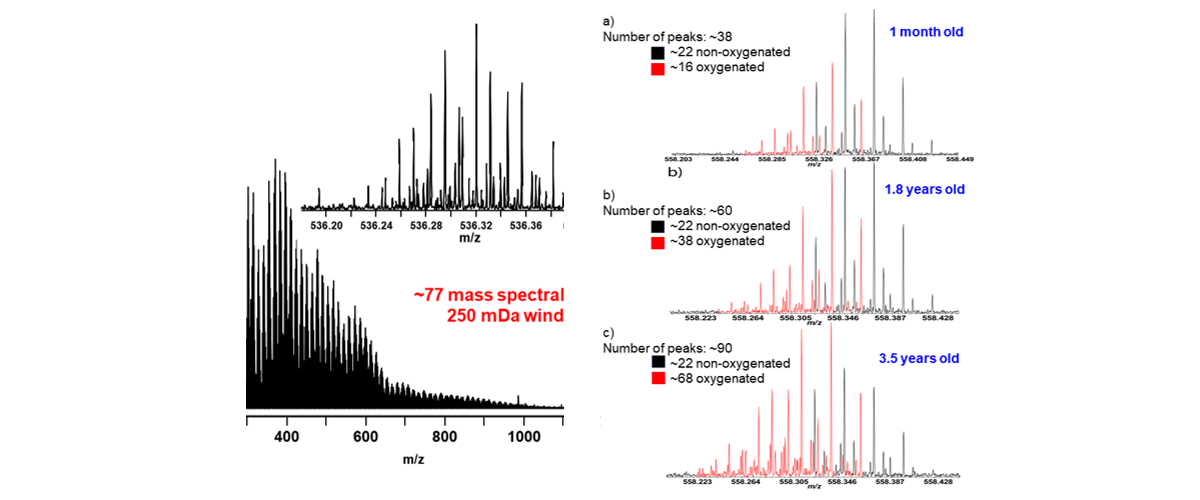
The 21T FT-ICR MS instrument enables the molecular characterization of atmospheric hazes - like that on Saturn’s moon, Titan - and water vapor to bett…
November 16, 2023
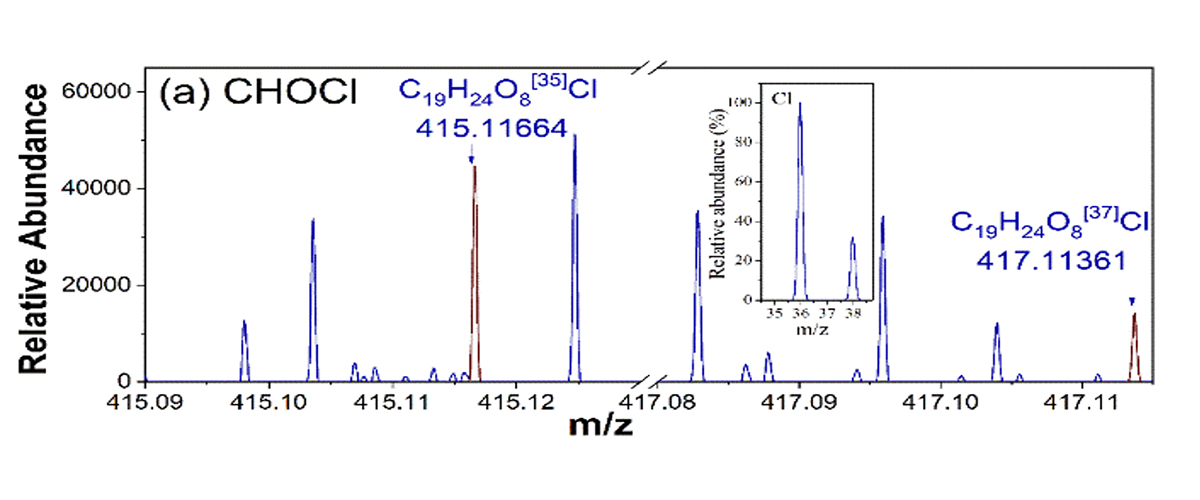
Identification of toxic compounds in drinking water formed through disinfection reveals more than 3500 toxic, chlorinated species that can only be obs…
September 11, 2023
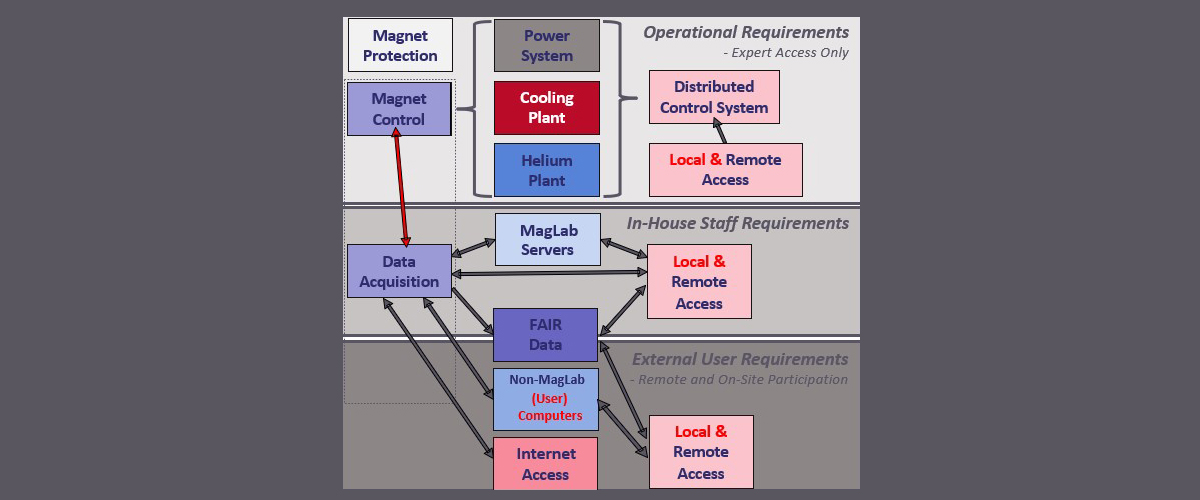
A specialized cybersecurity approach was developed to meet the needs of a user research facility.
July 14, 2023
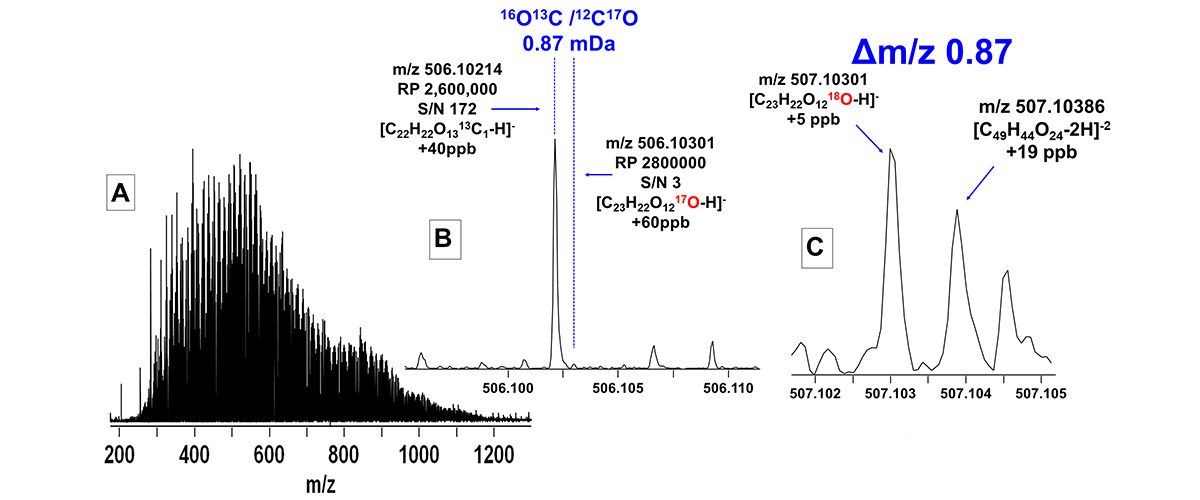
The 21 T FT-ICR mass spectrometer identified four times the number of species in natural organic matter than lower magnetic field systems, providing a…
February 17, 2023
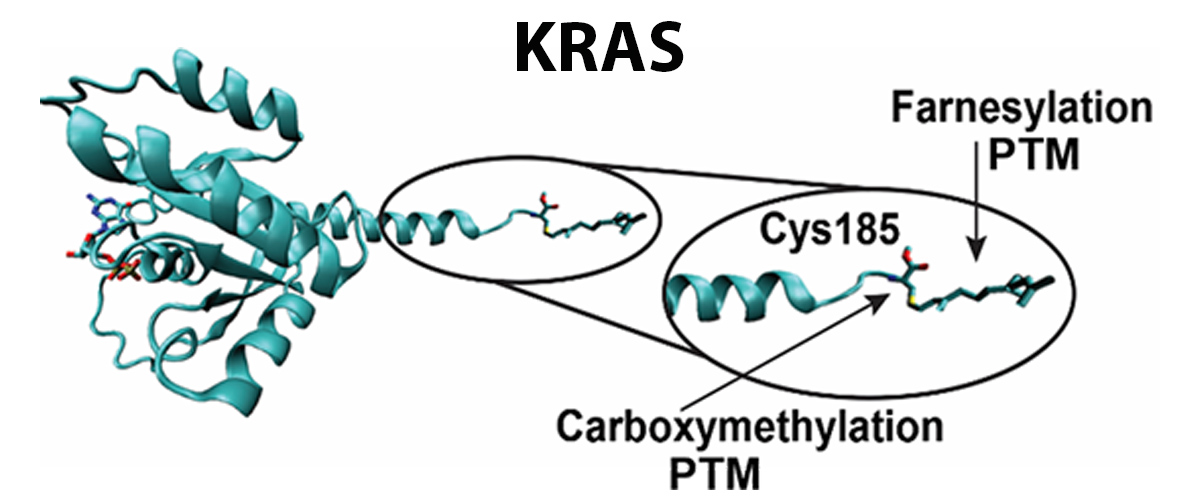
Researchers used the MagLab to produce the first clarified map of KRAS proteins in colon cancer tumors. Twenty-eight additional forms of the KRAS prot…
October 18, 2022
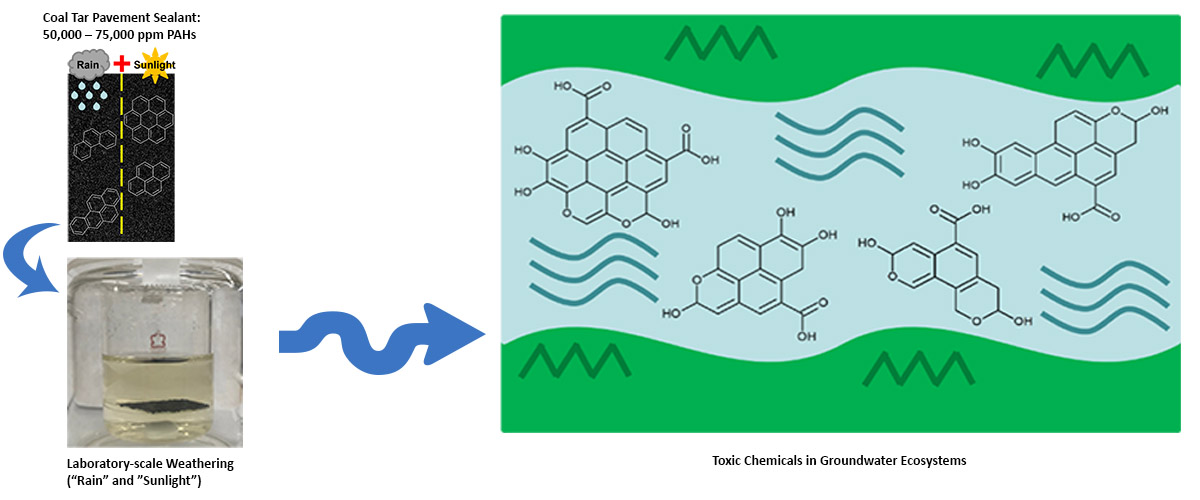
New research shows that high concentrations of polycyclic aromatic hydrocarbons (PAHs) found in coal tar pavement sealants are oxidized into toxic, wa…
July 18, 2022
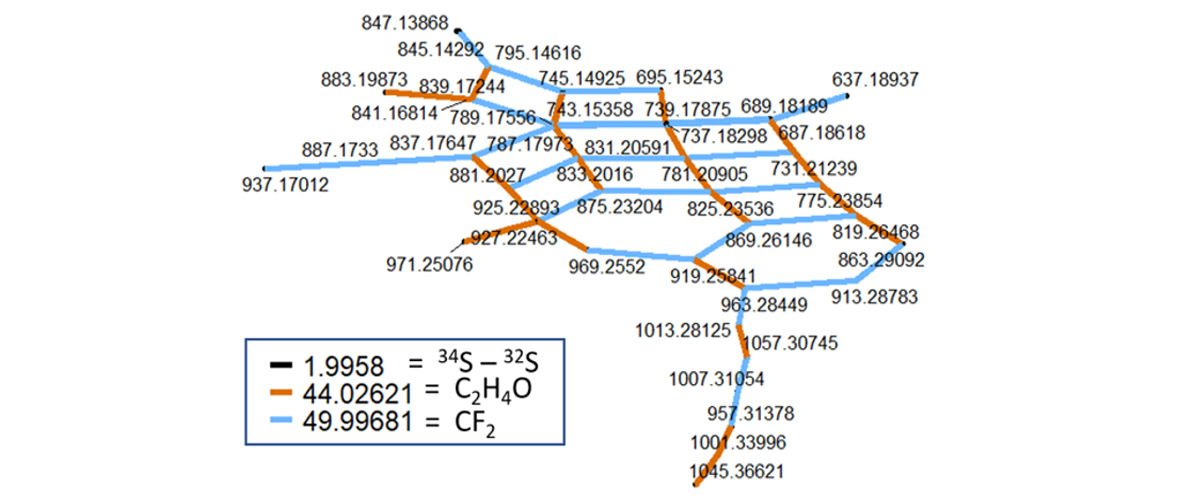
Using the world's most powerful mass spectrometer, scientists have developed a new method to profile complex PFAS mixtures at the molecular level, fac…
March 11, 2022
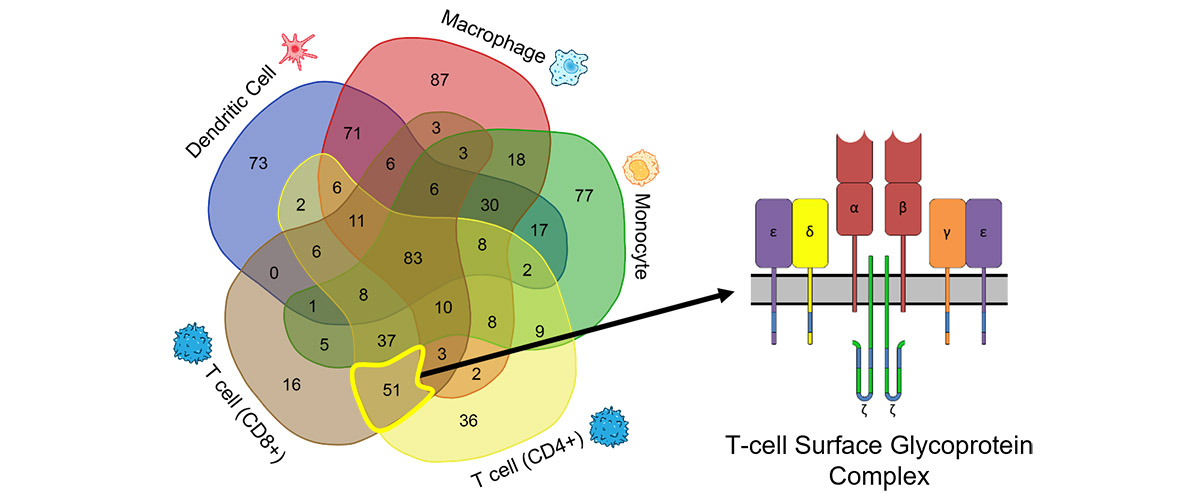
A new Blood Proteoform Atlas maps 30,000 unique proteoforms as they appear in 21 different cell types found in human blood. The MagLab's 21 tesla FT-I…
October 25, 2021
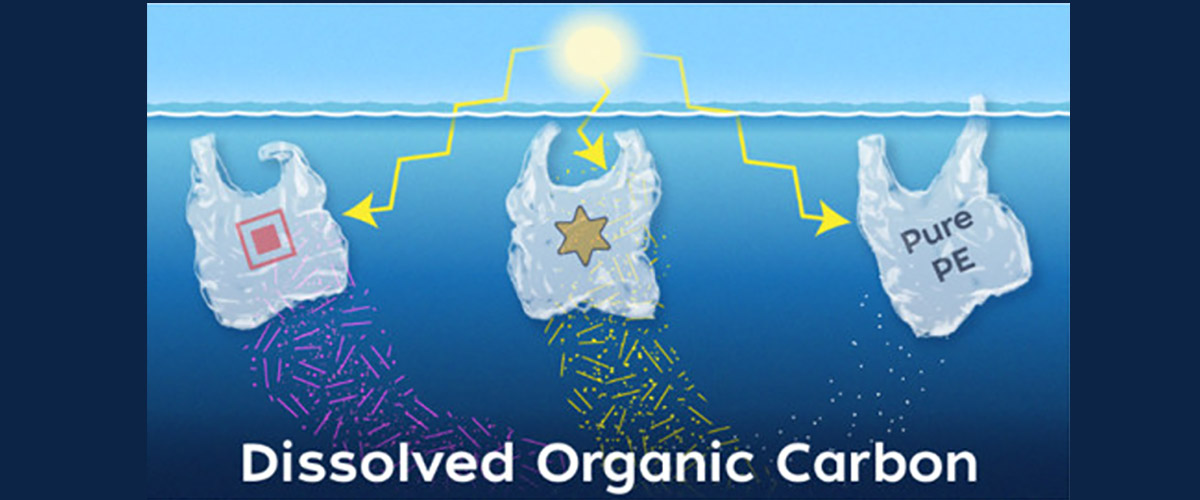
Sunlight can chemically transform plastics from consumer plastic bags into complex chemical mixtures that leach into the ocean. Understanding the impa…
June 23, 2021
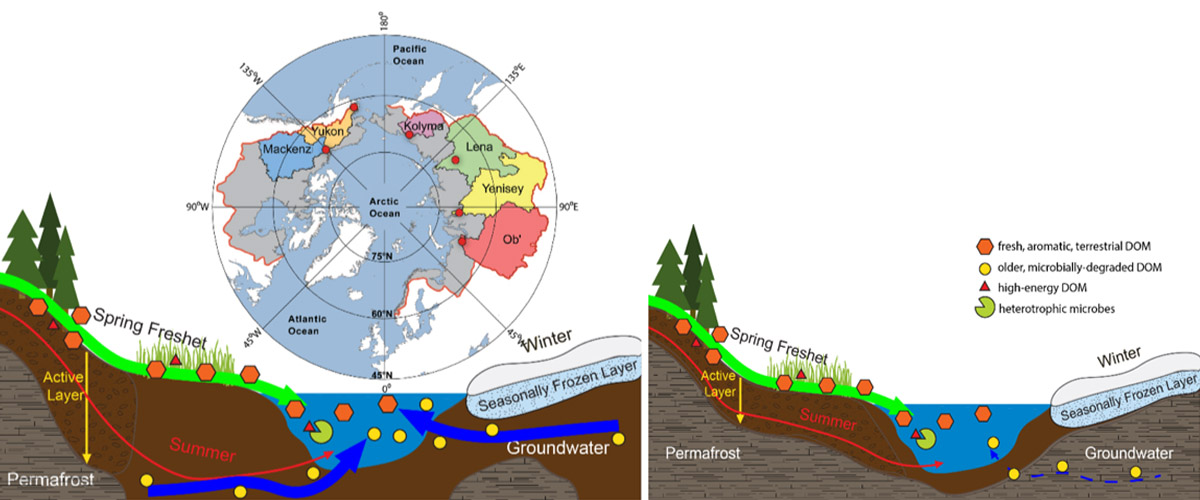
Researchers share new insights on the role of seasonality in dissolved organic matter (DOM) composition in large Arctic rivers. Researchers share new …
June 10, 2021
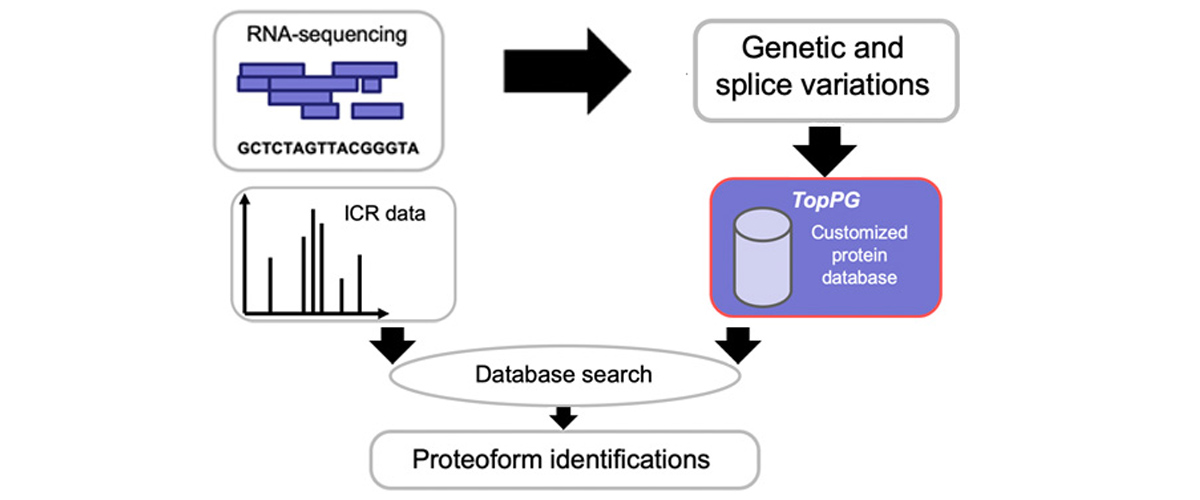
Reuse of the MagLab's Ion Cyclotron Resonance facility data improved understanding of protein fragmentation and aided the design and release of new al…
March 29, 2021
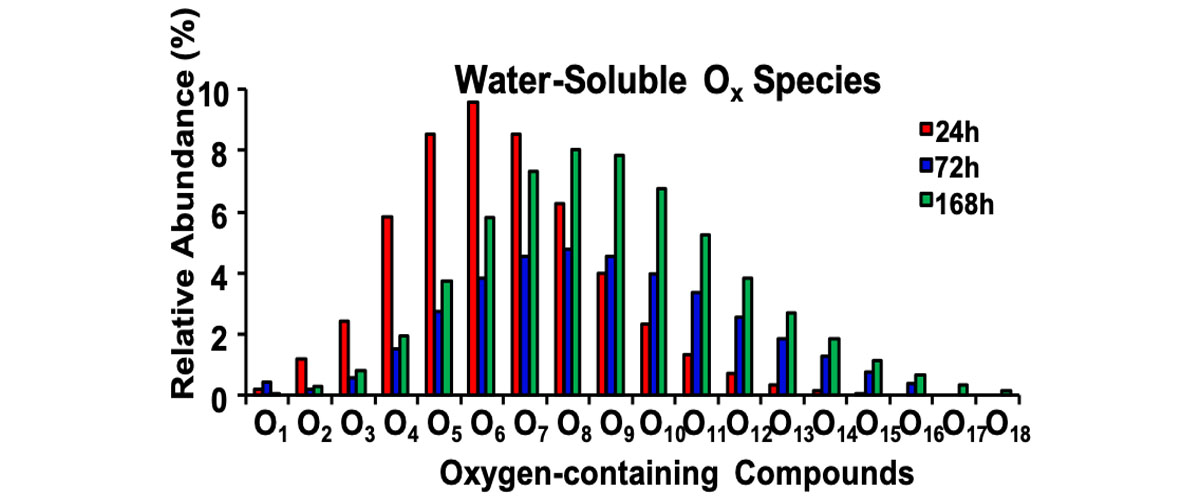
Road asphalt is made from aggregate (rocks) mixed with a "binder” from the residue remaining after extraction of gasoline and oils from petroleum crud…
August 09, 2017
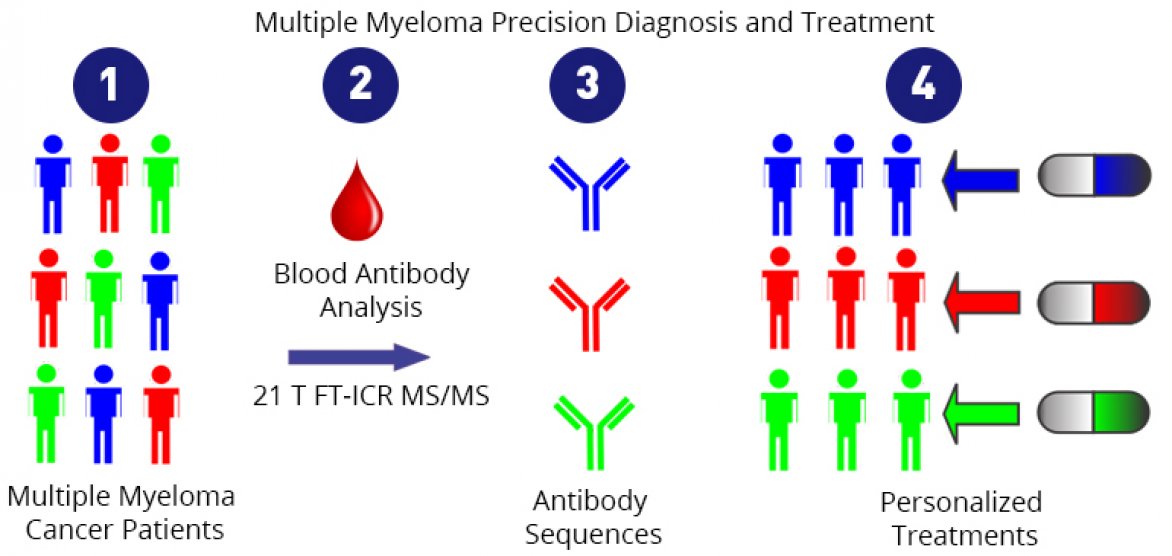
New technique could lead to precise, personalized cancer diagnosis and monitoring.